Manual reports
Teams spend too much time preparing, checking, and resending updates.
Ordemis designs websites, dashboards, automation, and internal tools around real workflows, not generic templates.
Teams spend too much time preparing, checking, and resending updates.
Important information sits across files, chat threads, email, and disconnected tools.
Management cannot quickly see project status, operational issues, or performance signals.
Work depends on repeated messages that are difficult to audit or turn into action.
Software exists, but the workflow still feels manual because the tools do not connect.
Each offer is mapped from workflow, data, interface, and launch path so the result feels like a business system, not a template.
Premium web presence for companies that need sharper positioning, trust, SEO structure, and a direct inquiry path.
Operational visibility for teams that need to track status, issues, reports, field activity, and business performance.
Connected flows that reduce repetitive work across approvals, notifications, reporting, and operational handoffs.
Tailored systems for workflows that cannot be solved properly with a template or off-the-shelf software.
Practical AI features that support document work, summaries, search, routing, and productivity without replacing the process.
See how Ordemis turns messy operations into a mapped product direction before the build starts.
Excel files, WhatsApp updates, and manual approvals are separated.
A clear system map: roles, data, screens, actions, and the first high-value workflow to build.
A compact portfolio wall for dashboards, premium web, and AI-assisted workflow systems.
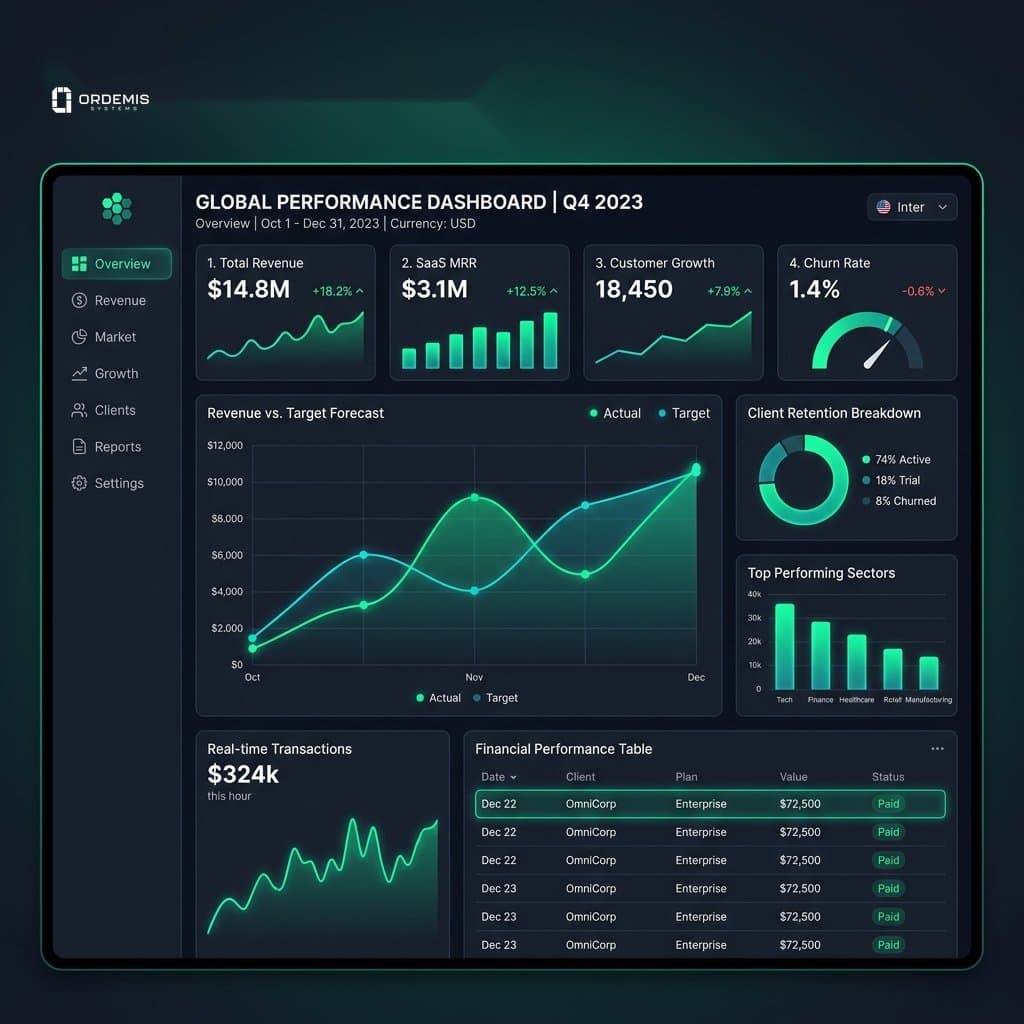
Custom data visualization flows built for clearer operational visibility.
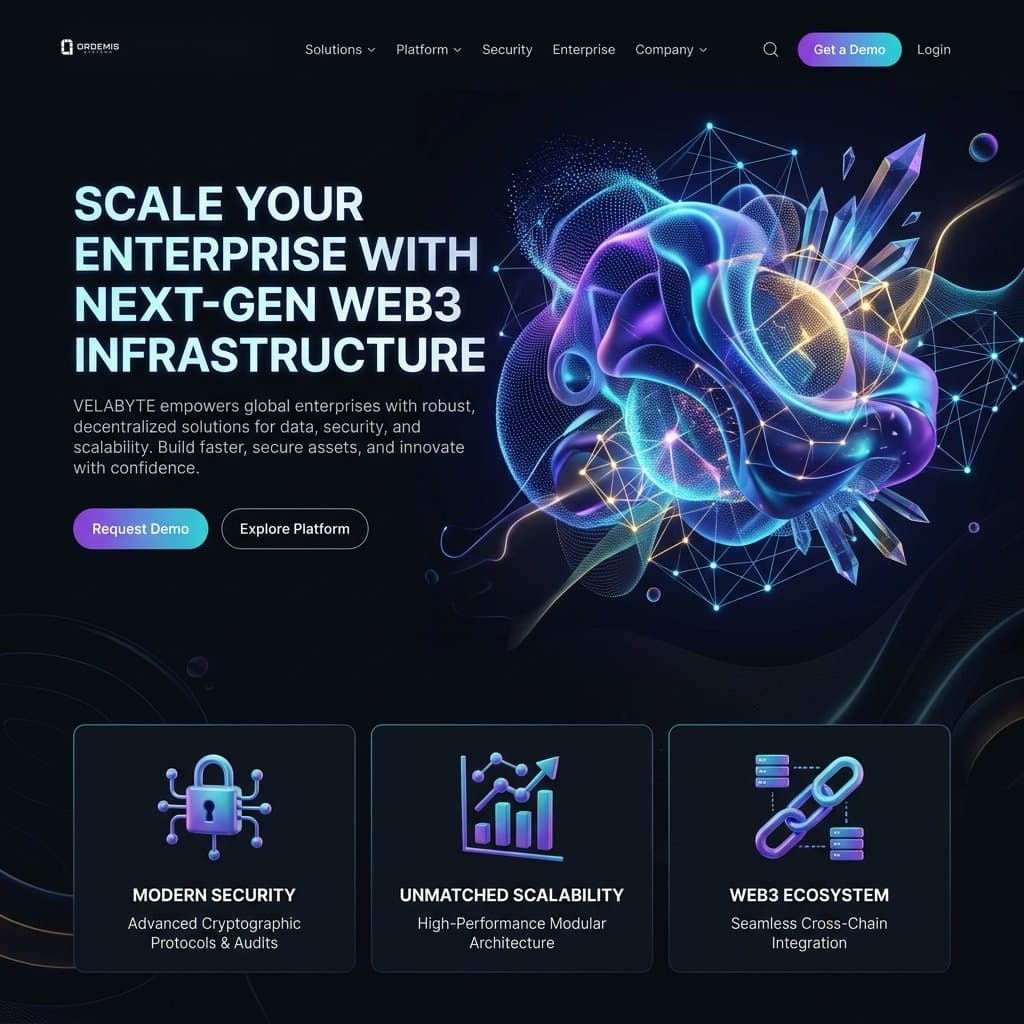
High-converting, aesthetically striking digital storefronts built with modern design frameworks and advanced UI/UX principles.
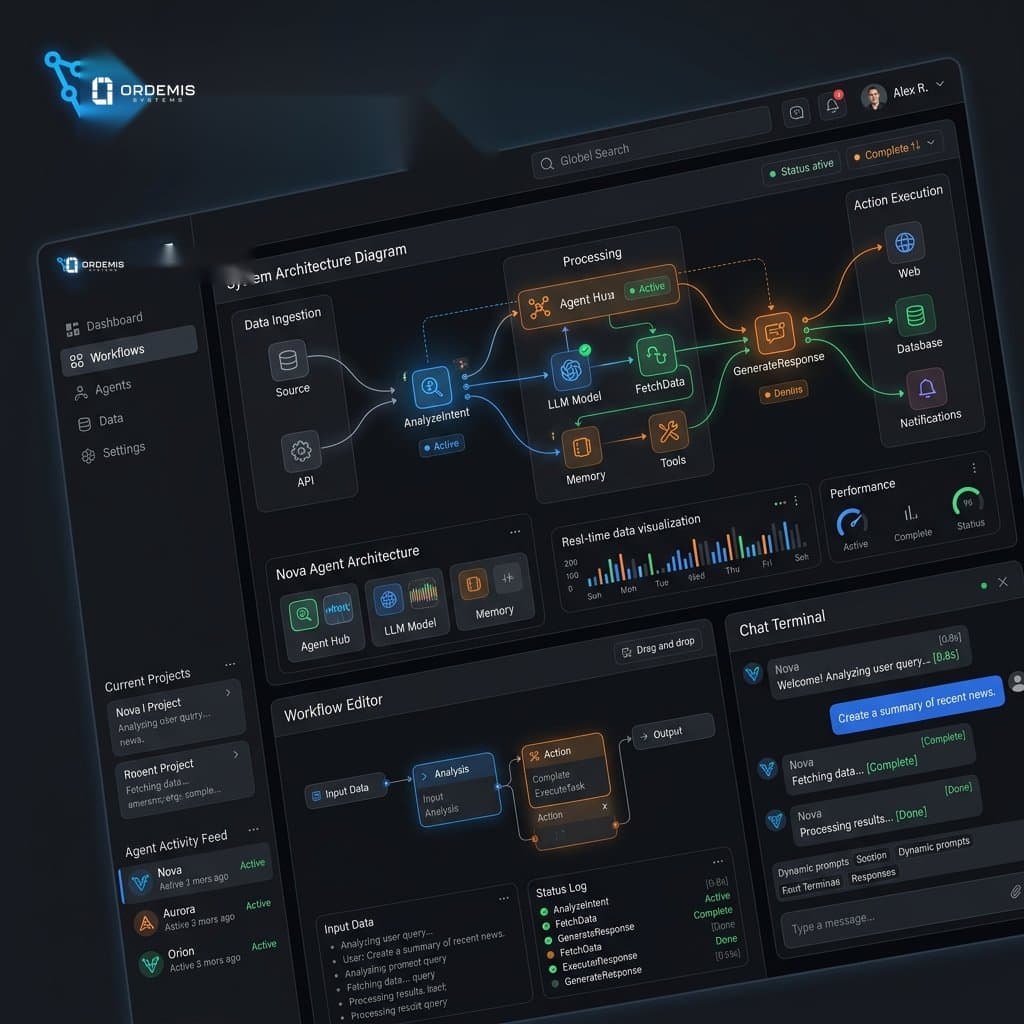
AI-assisted workflows for document handling, summaries, routing, and internal productivity.
The system follows how the business actually works, not how a template wants it to work.
Every screen is structured for clarity, action, and fast understanding by real users.
Projects are built with a stack that can grow into more pages, roles, data, and integrations.
Scope, prototype, development, launch, and support stay visible throughout the project.
Global projects are scoped after discovery. Complexity, integrations, content, data, and launch requirements shape the final estimate.
Focused digital presence for a service, campaign, product, or personal brand.
A structured company or campaign website with sharper positioning and credibility.
Connected workflows that reduce repetitive routing, notification, and approval work.
Operational visibility through focused KPIs, filters, reporting, and role-aware views.
Third-party services, hosting, paid APIs, and licenses are quoted separately when required.
Complex internal tools, AI-assisted workflows, and multi-role platforms begin with a workflow review.
Share the current process, tools, data, users, and priority outcome. A perfect brief is not required.
Ordemis Systems: digital systems, websites, dashboards, automation, and scalable web products.
© 2026 Ordemis Systems. All rights reserved.